How to Clean Kitchen Cabinets: Easy Tips for a Spotless and Fresh Kitchen
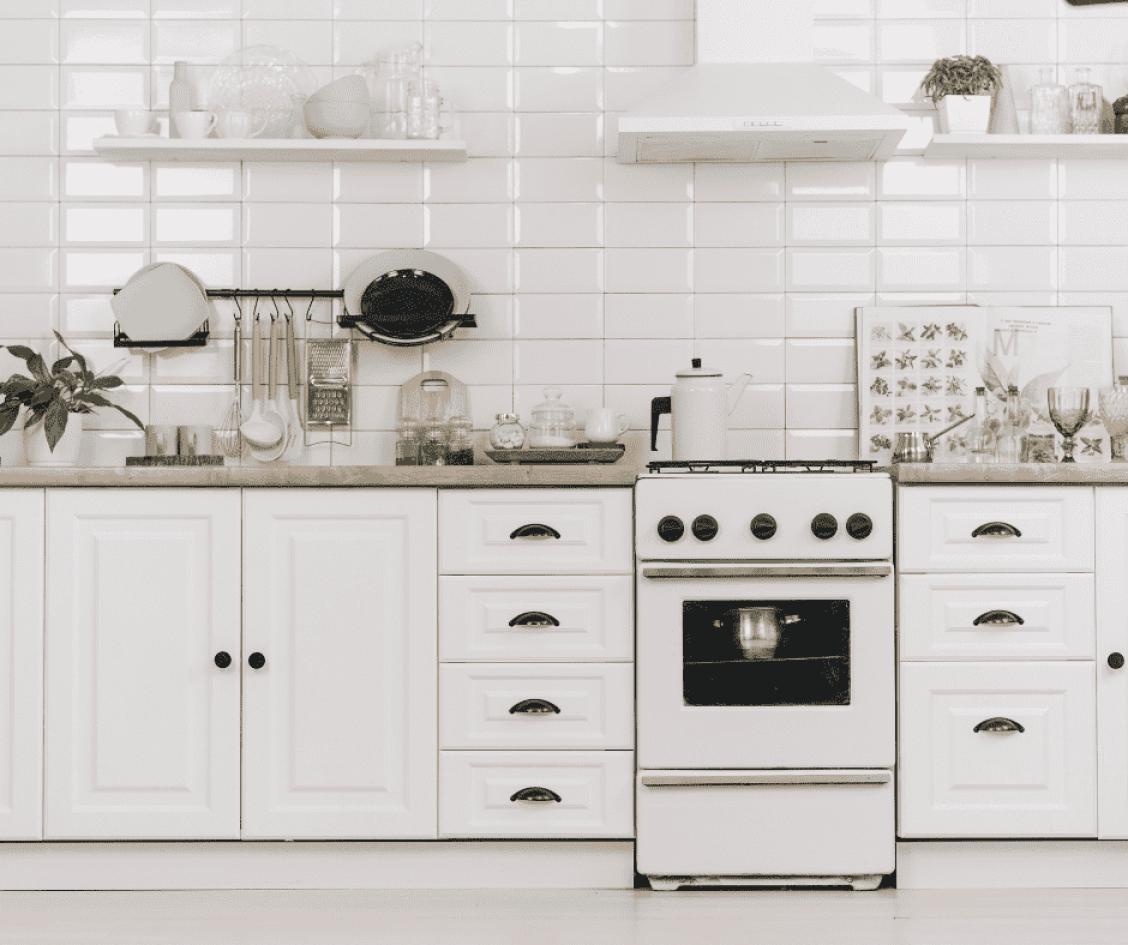
Kitchen cabinets are some of the most frequently touched surfaces in the home, making them prone to grease, fingerprints, spills, and dust. Over time, these layers of grime can build up, leaving your kitchen looking dull or dirty even if you clean regularly. Whether your cabinets are wood, laminate, or painted, proper cleaning techniques help preserve their appearance and extend their lifespan. With the right methods and a consistent routine, you can keep your cabinets spotless, fresh, and free of stubborn residue. Understanding how to clean each material safely ensures that your kitchen always looks bright, organized, and welcoming.
Remove Grease and Buildup With the Right Cleaning Solutions
Grease is the most common issue affecting kitchen cabinets. Everyday cooking releases oils that settle on cabinet surfaces and attract dust. To effectively remove grease, use mild cleaning solutions that break down oil without damaging the cabinet finish. A mixture of warm water and dish soap works well for basic cleaning and is gentle on all cabinet types. For tougher grease, a solution of vinegar and water can cut through buildup, although vinegar should be avoided on unfinished wood.
Always start by wiping cabinets with a damp cloth to loosen surface dirt. Apply your cleaning solution using a soft sponge or microfiber cloth, scrubbing gently in circular motions. Avoid harsh chemicals or abrasive scrubbers, as they can scratch surfaces and strip finishes. For cabinets with handles or knobs, pay extra attention around these areas since they collect the most oils from frequent touching. If grease is particularly stubborn, allow your cleaning mixture to sit on the surface for a few minutes before wiping it off.
Choose Safe Cleaning Methods for Different Cabinet Materials
Different cabinet materials require different cleaning methods to prevent damage. Wood cabinets need extra care because harsh cleaners can strip away protective coatings. Use gentle, wood-safe cleaners or a mild soapy mixture, and always dry the surface quickly to prevent moisture from seeping into the wood. For natural finishes, applying a wood polish occasionally can help maintain shine and protect the surface.
Painted cabinets are durable but can still chip or fade if scrubbed too aggressively. Stick to mild cleaners and avoid excessive water. Wipe gently along the grain or direction of the paint to keep the finish smooth. If your cabinets have a matte finish, be extra gentle to avoid leaving streaks or shiny marks.
Laminate cabinets are the easiest to clean because they resist moisture and stains. Warm soapy water is usually enough, and laminate surfaces can handle slightly stronger cleaners if necessary. However, avoid bleach or anything abrasive that can wear down the laminate coating. For glossy laminates, use a microfiber cloth to prevent streaks and maintain shine.
Deep Cleaning Cabinet Interiors and Hard-to-Reach Spots
While the exterior of your cabinets gets the most attention, the interior also needs periodic deep cleaning. Remove all items and wipe down shelves with a mild cleaner to eliminate dust, crumbs, and spills. Pay attention to corners, hinges, and drawer tracks, as these areas often trap dirt. If you use shelf liners, replace worn or stained ones to maintain cleanliness.
For sticky residue or spills inside cabinets, warm water with baking soda can gently lift stains without damaging surfaces. For drawers, vacuuming crumbs before wiping them makes the cleaning process easier. Don’t forget to clean the tops of cabinets if they do not reach the ceiling, as this area collects thick layers of grease and dust over time. A degreasing cleaner or warm water mixed with dish soap usually works well for these higher surfaces.
Adopt a Routine to Keep Cabinets Looking Like New
Maintaining clean kitchen cabinets becomes much easier with a consistent routine. Wipe high-use areas such as handles, lower cabinets, and cooking zones once a week to prevent grease buildup. Perform a full cabinet cleaning once a month to keep the surfaces fresh and polished. If you cook frequently, consider cleaning cabinet fronts more often, especially near the stove and sink.
Preventative habits also reduce cleaning time. Use exhaust fans while cooking to minimize airborne grease, avoid touching cabinet doors with wet or dirty hands, and immediately wipe spills or splatters. Adding small organizational tools inside cabinets, such as bins or trays, helps prevent messes and makes cleaning faster. With regular care, your cabinets stay bright and hygienic, contributing to a healthier kitchen environment.